

With winter just around the corner, the changing season will bring new challenges for wildlife, but we can help with simple actions in our gardens and green spaces. Let’s take a look at some simple things we can do to help our garden wildlife in November.
Sources of nectar for pollinators
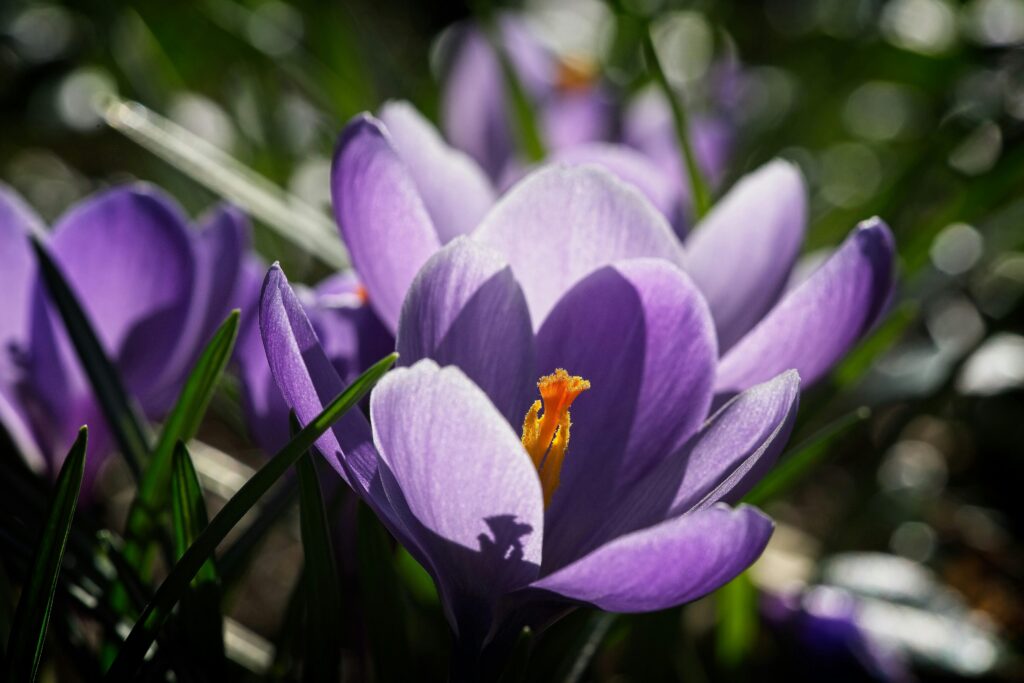
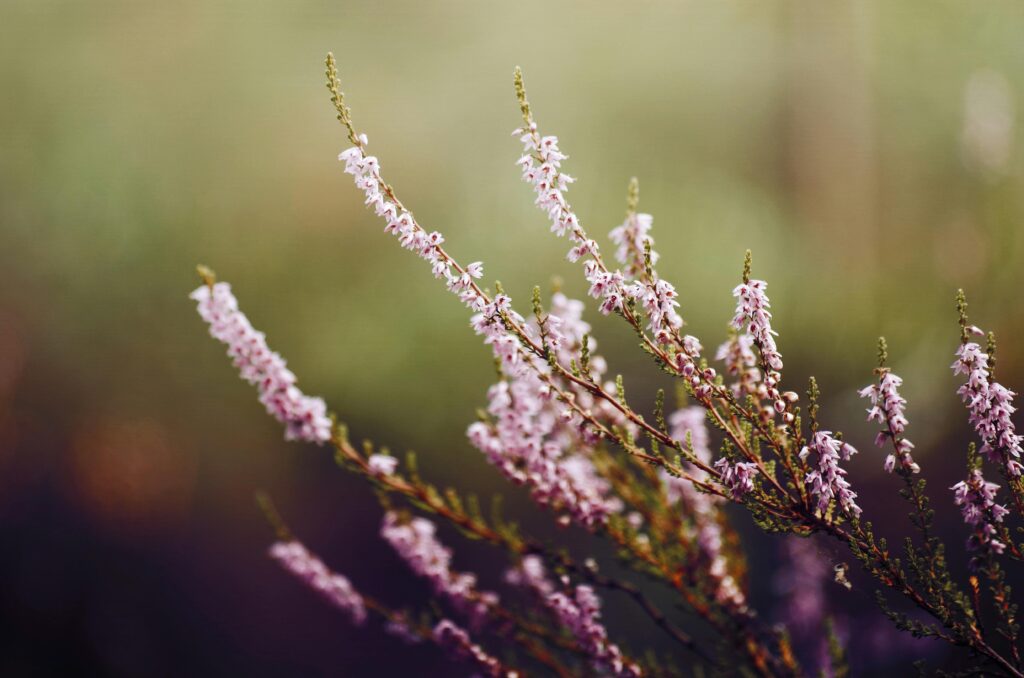
Sources of nectar in the garden are increasingly hard to find for pollinators. There are, however, garden plants native to southern Europe which can help fill this gap. The late flowering climber, Spanish Clematis (Clematis cirrhosa) and the shrub Viburnum tinus will both help bumblebees to bulk up before hibernation. Heathers and crocuses are also a great source of nectar and there are many garden varieties of Erica which flower from winter to spring and will happily grow in all types of soil.
It’s great to provide food, but remember it’s just as important to provide somewhere for bumblebees (and other insects) to hibernate. Queen bees will dig into loose, well-drained soil under shrubs and hedges. They will also hibernate under leaf piles in open compost heaps and in mossy lawns amongst longer grass, so be mindful before raking up large piles of leaves this month!
Maintain your pond
Male frogs spend winter in the muddy depths of ponds, breathing through their skin. But as the temperatures drop, ponds can freeze over which means that any gases caused by decaying plant material at the bottom can get trapped and become poisonous. Removing debris from your pond now, and placing a net over the top to catch any falling leaves, will prevent this from happening. Floating a tennis or golf ball on the surface will also help to prevent the water from freezing over and sealing shut.
If you were thinking of adding a pond to your garden, late autumn is a good time to do this. The seasonal vegetation is starting to die back and the ground is moist, but not frozen, so easy to dig. Create a pond now and you’ll get to watch it develop and flourish right throughout spring and summer next year.
The team at Rosewood Maintenance & Landscaping can help build a wildlife-friendly pond in your garden. If you need help getting started, get in touch with us!


Attract and feed the birds
As the temperatures drop and winter approaches, it’s important to remember our feathered friends and provide them with the nourishment they need to survive. Birds require extra food during the colder months, as it helps them maintain their body heat and energy levels.
One of the simplest ways to attract birds to your garden is by setting up bird feeders. Choose high-energy foods like sunflower seeds, suet, and mealworms to entice a variety of bird species. Place the feeders in a sheltered area, away from predators, and keep them well-stocked throughout the month.
In addition to bird feeders, consider planting bird-friendly plants that provide a natural food source. Native shrubs like hawthorn, blackthorn, and honeysuckle produce berries that birds love. These plants not only offer nourishment but also provide cover and nesting sites.


Preparing your garden for a wildlife-friendly winter
November is a critical month for wildlife, and by carrying out these gardening jobs, we can ensure that our garden remains a welcoming space for birds, bees and insects!
By understanding the importance of wildlife gardening in November, we can appreciate the impact our actions have on the well-being and survival of our garden’s wildlife. Providing shelter, maintaining ponds, attracting birds, and creating a paradise with autumn leaves are just a few ways we can make a difference.