
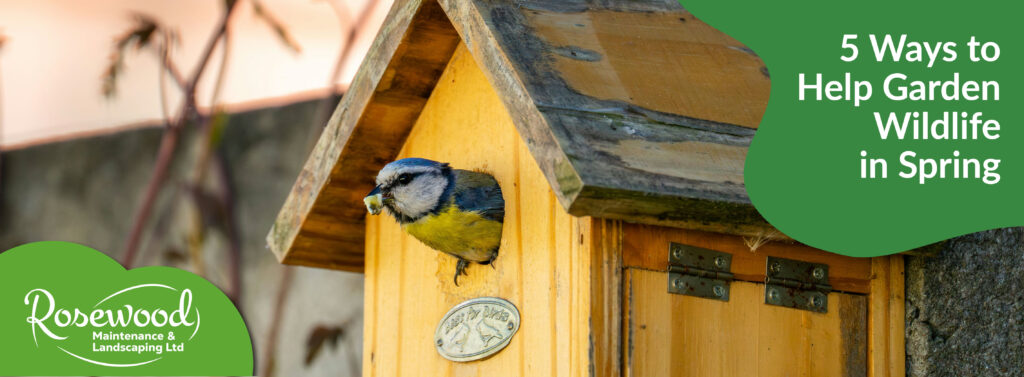
As the days get longer and the temperatures (finally!) begin to rise, spring signifies a time of renewal in your garden- and it’s not just the plants that are waking up! This season offers a fantastic opportunity to support the local wildlife that calls your garden home. Whether it’s bees buzzing from flower to flower or birds starting their nest-building journey, your garden can become a vital sanctuary for certain wildlife. Here are five ways to help them thrive this spring.
Provide Fresh Water Sources
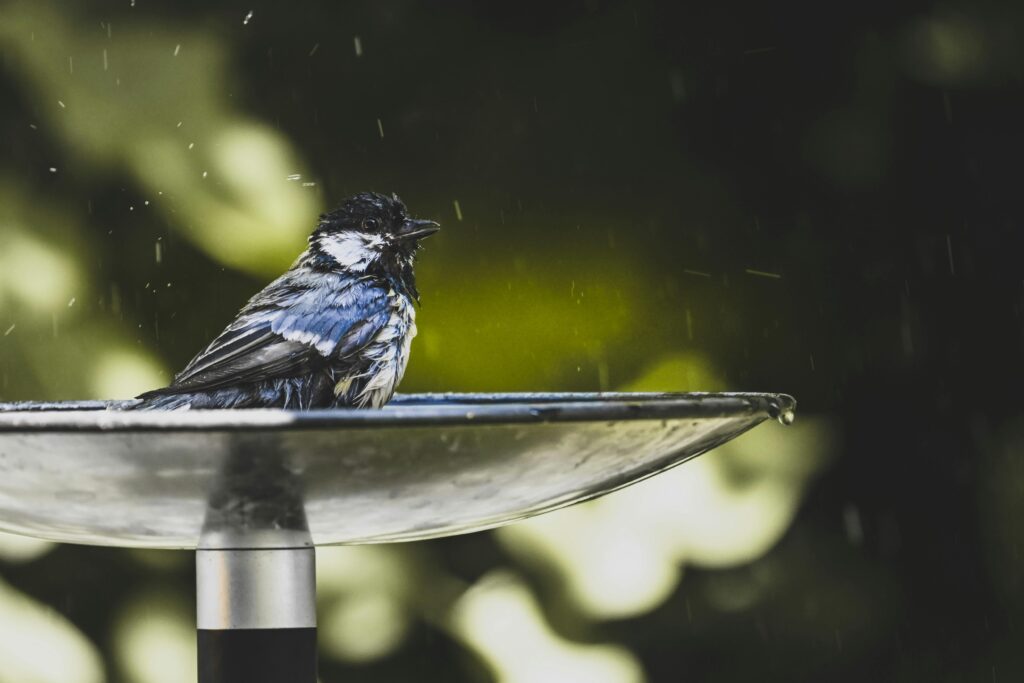
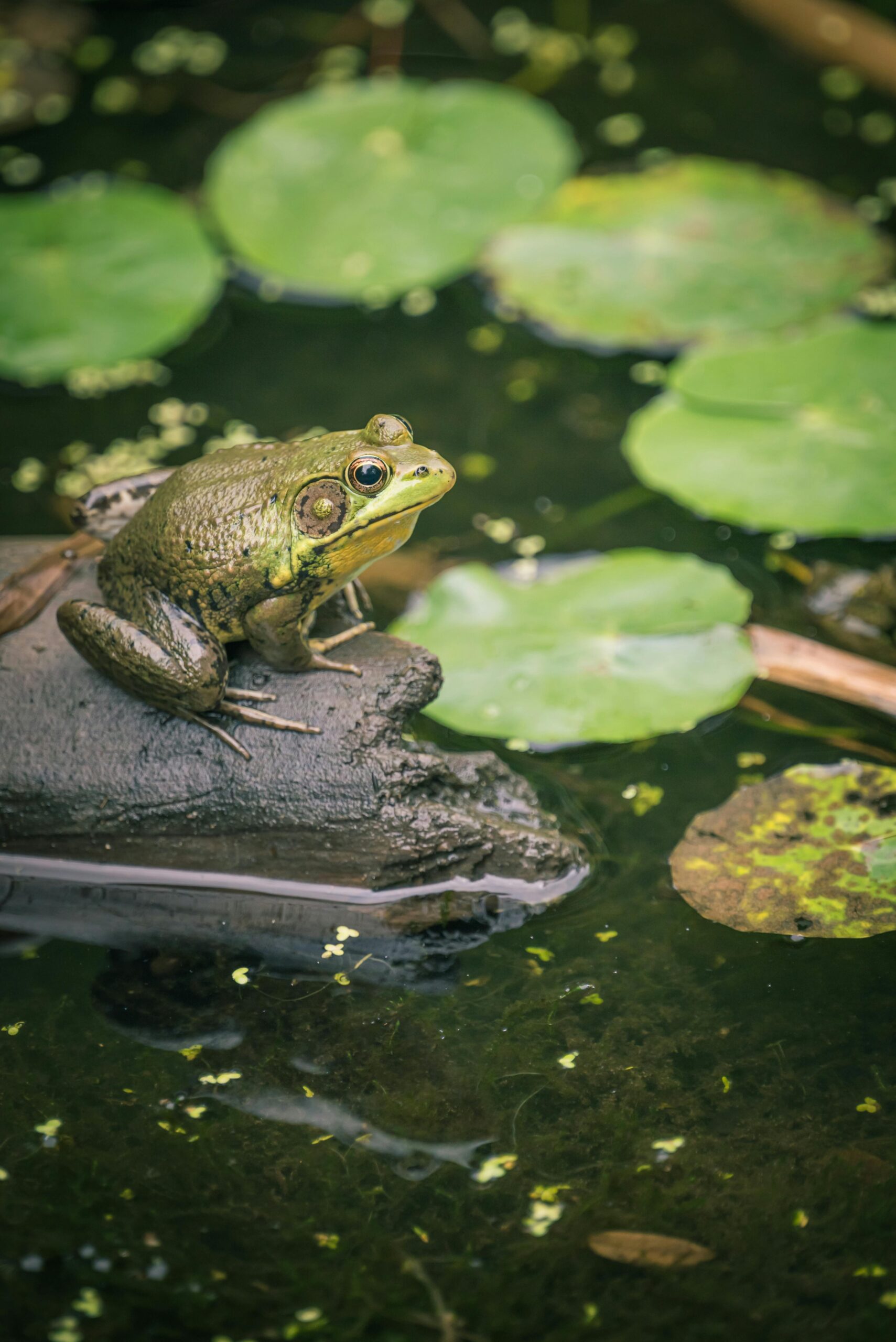
Water is a necessity for all wildlife, and during spring, animals are especially thirsty as they emerge from winter. Adding a bird bath, a small pond, or even a shallow dish of water can make a huge difference for the creatures visiting your garden. Be sure to change the water regularly to prevent algae growth and to provide a clean, safe drinking source for birds, insects, and mammals.
If you need a helping hand creating a garden pond, Rosewood Maintenance & Landscaping can help! Get in touch with our team to talk through your requirements.
Plant Pollinator-Friendly Flowers
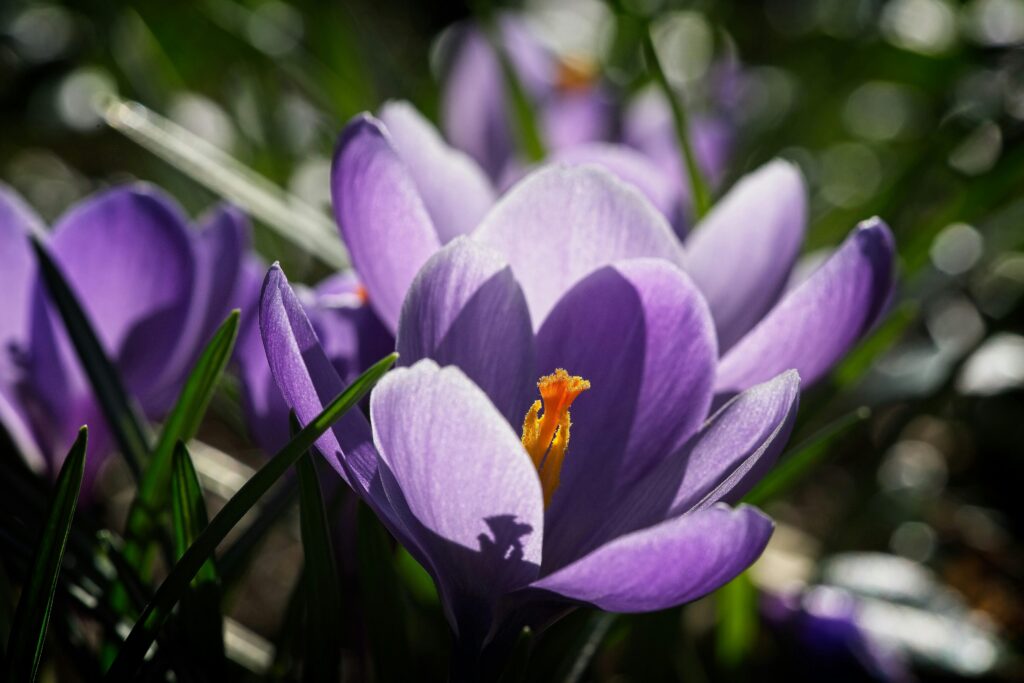
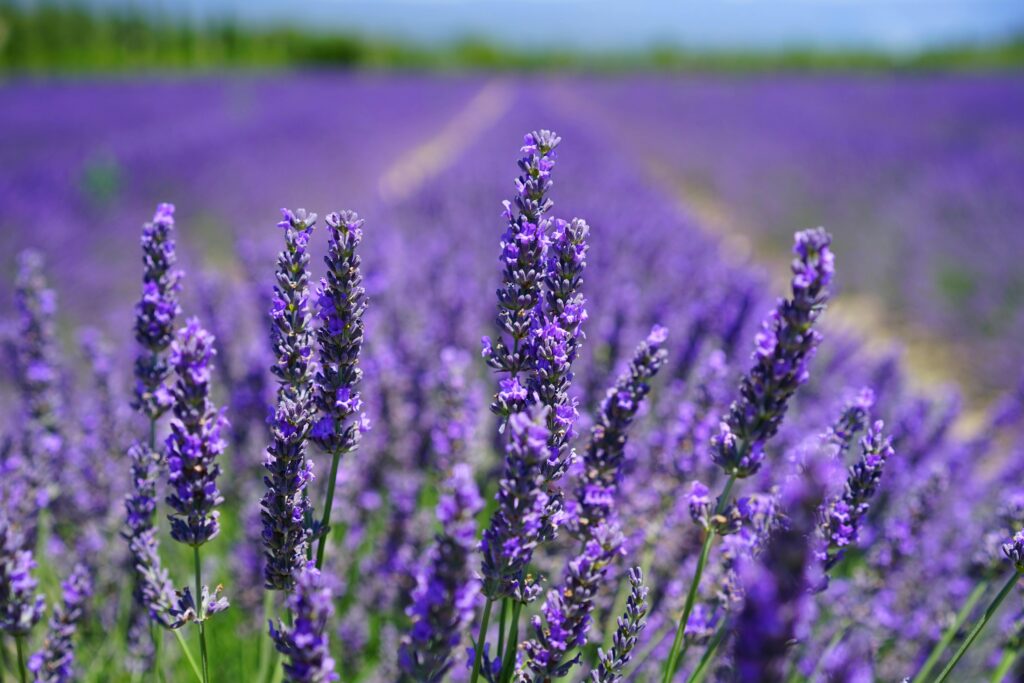
Spring is a crucial time for pollinators like bees, butterflies, and hummingbirds. You can support these hardworking creatures by planting a variety of nectar-rich flowers that bloom at different times throughout the season. Choose native plants that are well-suited to your local climate, as these will attract local pollinators while providing them with the sustenance they need to thrive. Flowers like lavender, crocus, and primrose are great choices to get started.
Create Safe Havens for Nesting Birds
Spring is nesting season for many birds, and you can help by providing safe spaces for them to build their homes. Consider installing bird houses or leaving areas of your garden with dense shrubs or tall grasses, where birds can nest undisturbed. If you have trees, you can also encourage birds to nest by offering a mix of seed varieties that will attract a range of species. Be sure to avoid using pesticides or chemicals that could cause harm!
Leave Some Areas Wild
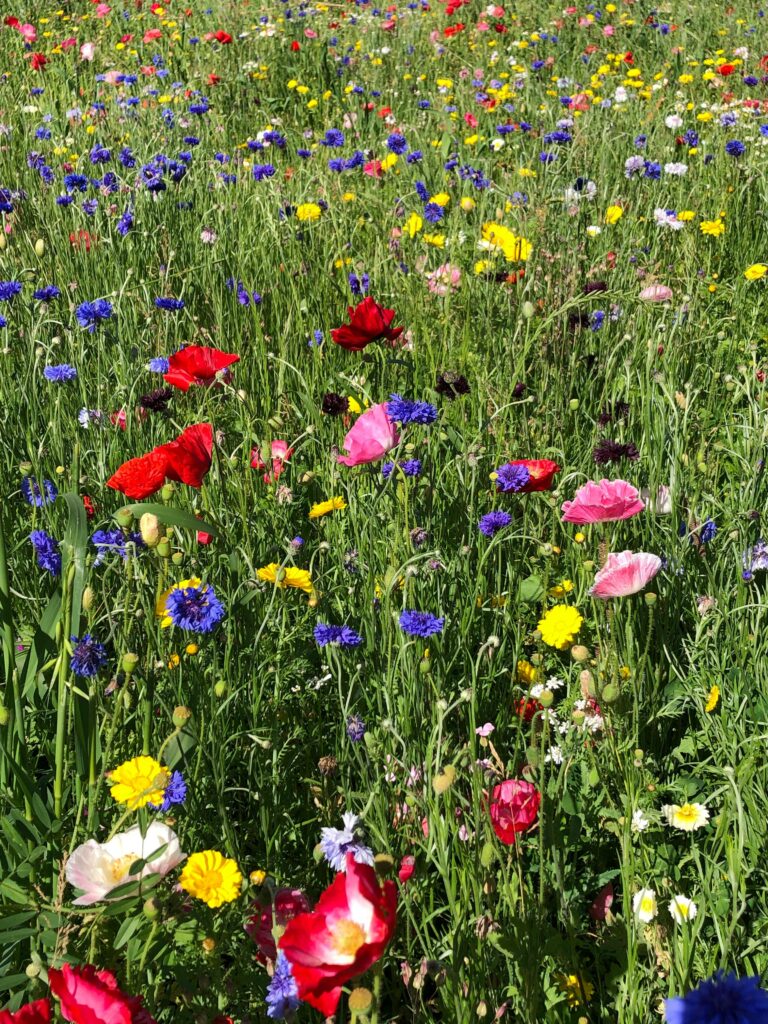
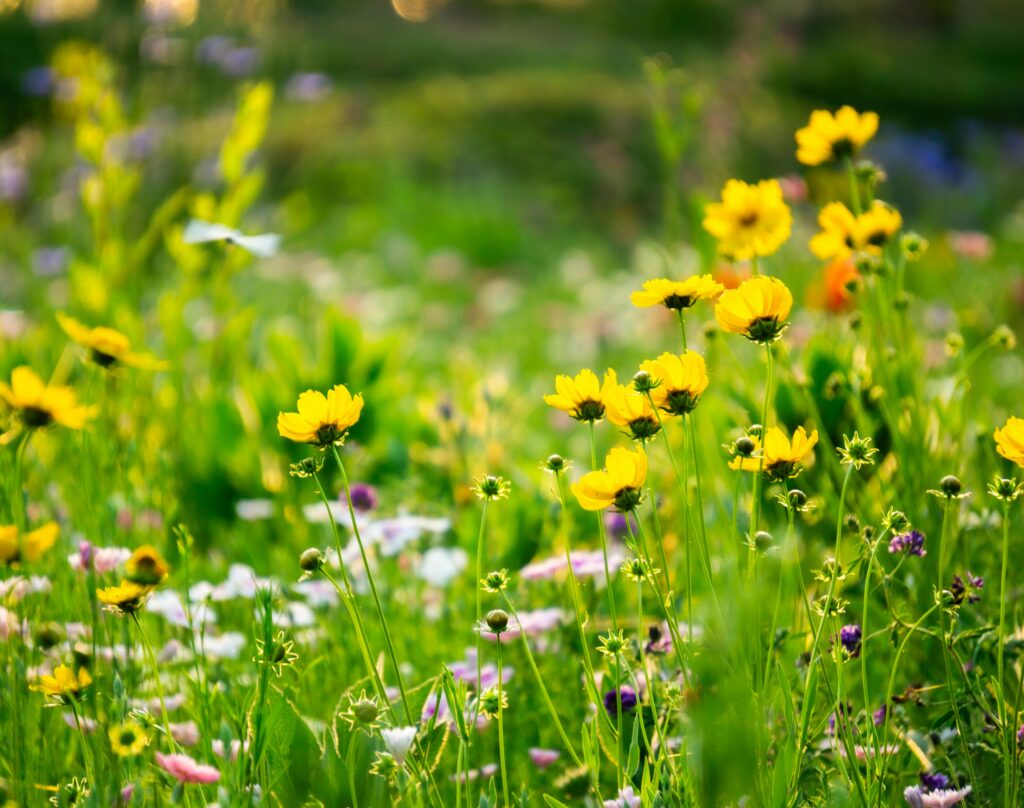
While keeping your garden tidy is important, leaving parts of it wild can provide essential habitats for a variety of wildlife. Piles of leaves, tall grasses, or even small heaps of twigs can provide shelter for insects, hedgehogs, and small mammals. These areas also serve as excellent hideaways for creatures seeking respite from predators. It’s a simple way to boost biodiversity while adding a touch of natural beauty to your garden.
Minimize Pesticide Use
Pesticides can have a harmful impact on local wildlife, particularly pollinators like bees and butterflies. In spring, when many species are emerging, it’s essential to minimize or eliminate the use of harmful chemicals in your garden. Instead, opt for natural alternatives, such as companion planting, to control pests. This will help preserve the delicate balance of your garden ecosystem and ensure that your wildlife can thrive without interference.
By taking these small but meaningful steps, you can help create a thriving habitat for the wildlife in your garden this spring. Not only will you contribute to the health of local ecosystems, but you’ll also have the pleasure of seeing vibrant life flourish right outside your door. Happy gardening!