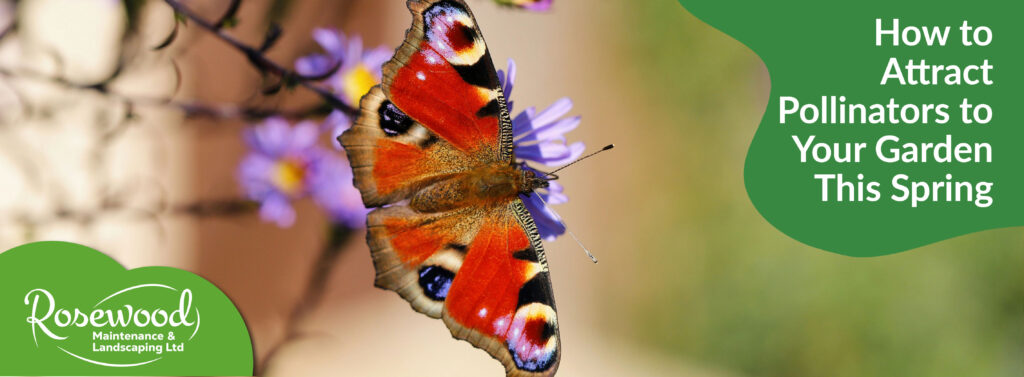
Pollinators like bees, butterflies, and hummingbirds don’t just make your garden more vibrant – they play a vital role in keeping it healthy! In fact, without pollinators, most flowering plants (and many of your favourite fruits and vegetables) wouldn’t be able to reproduce.
As spring settles in, now is the perfect time to attract pollinators to your garden. Here’s how to roll out the welcome mat for nature’s hardest-working guests!
Plant a Variety of Native Flowers
Some plants grown by gardeners are classed as native, meaning they occur naturally in Britain (i.e. have not been introduced by humans). Pollinators are especially drawn to native plants because they’ve evolved alongside them. Different pollinators are active at different times, so the more variety you plant, the more consistent your garden’s ‘nectar cafe’ will be!
🌸 Tip: Choose flowers with staggered bloom times – early spring to late autumn – to attract pollinators all season long.
Great options include:
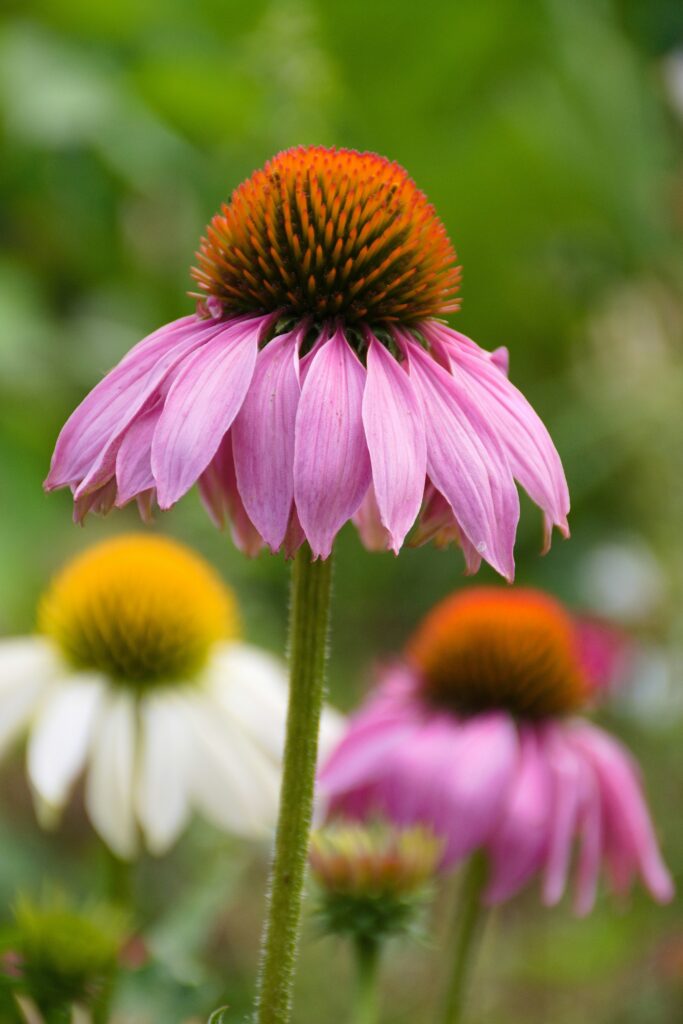
- Coneflowers (Echinacea)
- Bee balm (Monarda)
- Black-eyed Susans (Rudbeckia)
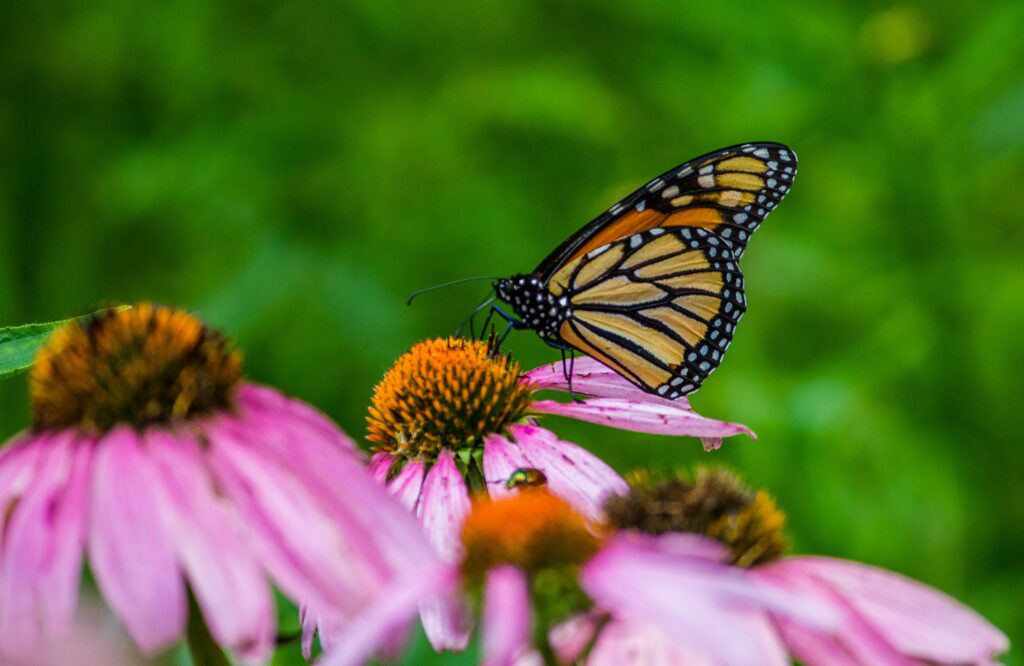
- Milkweed (for monarch butterflies!)
Avoid Pesticides (or choose very wisely)
Many common lawn and garden chemicals are harmful to bees and other pollinators. If you must use them, opt for organic or pollinator-safe products, and apply them in the early morning or late evening when pollinators are less active.
Skip broad-spectrum insecticides – they harm good bugs as well as pests.
Add Water Sources
Pollinators need water just like any other living creature. A shallow dish with water and a few pebbles for landing spots can be a perfect mini oasis.
Bonus points: A gently dripping fountain or small birdbath also adds sound and beauty to your space.
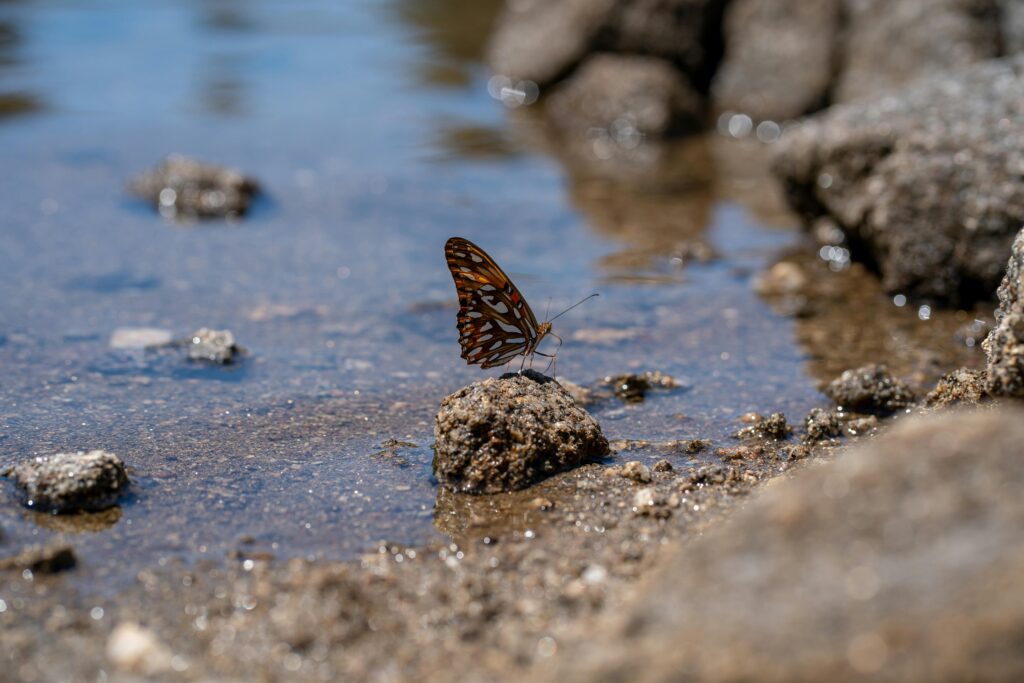

Create Shelter and Nesting Areas
Pollinators need places to rest and reproduce. You can encourage nesting by:
- Leaving a small patch of bare soil (great for ground-nesting bees)
- Installing a bee hotel or butterfly house
- Avoiding too much cleanup – leave some twigs, leaves, or wood piles in quiet corners
Use Colour to Your Advantage
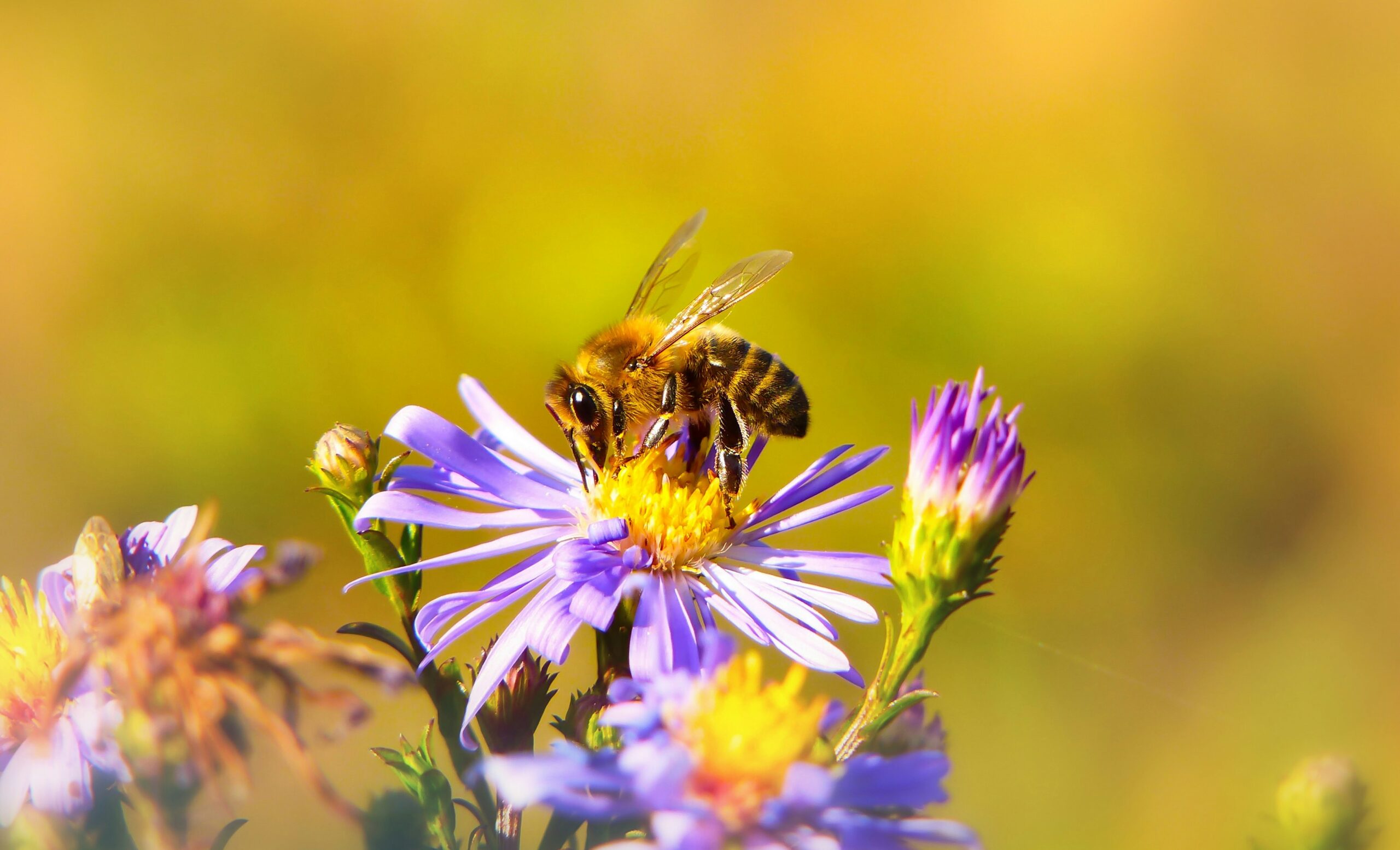
Pollinators are visual creatures. They’re especially attracted to blue, purple, yellow, and white blooms. Cluster flowers in groups of the same type – this makes it easier for bees and butterflies to find and feed on them efficiently!
Inviting Nature – Do You Need Some Help?
Creating a pollinator-friendly garden doesn’t just help your plants – it supports local ecosystems and brings your garden to life in the most literal way.
If you’d like help choosing the right plants, setting up pollinator habitats, or maintaining your garden naturally, we’re here to help! Our team can help you design and plant a pollinator-friendly garden that not only supports wildlife, but looks beautiful too.
Contact us to schedule a spring garden consultation – and let the buzz begin!