
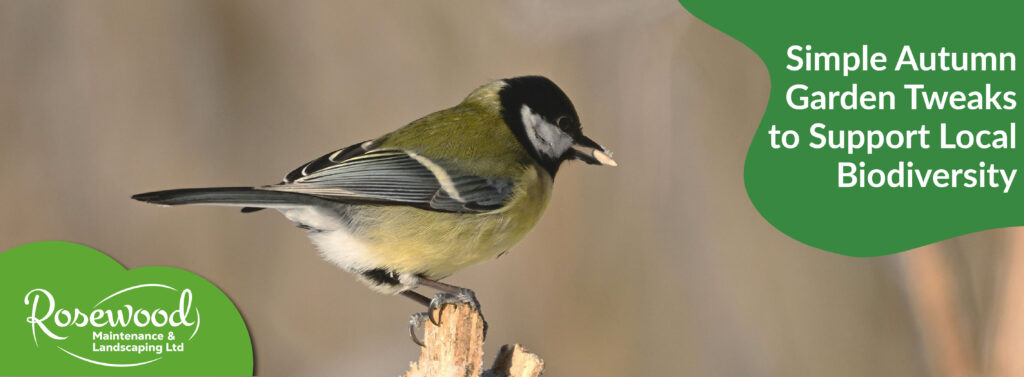
As the days grow shorter and leaves begin to fall, many gardeners see autumn as the season to tidy up. But here’s the thing: what feels “messy” to us often provides essential food and shelter for wildlife. By making a few small changes in how you prepare your garden for winter, you can give pollinators, birds, and other local creatures a much-needed boost.
Here are some simple, eco-friendly tweaks you can make this autumn to support biodiversity right in your own back garden.
Leave the leaves!
Raking every last leaf might make your garden look neat, but fallen leaves are a natural mulch and habitat. Many insects, including butterflies and moths, use leaf litter to overwinter. Birds and small mammals benefit, too, by foraging among the layers.
Try this: Rake leaves into garden beds instead of bagging them. You’ll insulate your soil, feed earthworms, and create safe spaces for wildlife.

Let Seed Heads Stand
It’s tempting to cut everything back in autumn, but seed heads from plants like coneflowers, sunflowers, and grasses are a valuable winter food source for birds. Plus, they add structure and beauty to the garden long after blooms fade.
Try this: Leave perennials standing until early spring. You’ll provide food and shelter, and enjoy the bonus of frosted seed heads sparkling in the winter sun!
Create a log or brush pile
Dead branches and pruned wood don’t need to head straight to the compost heap. Stacking them neatly in a corner creates habitat for insects, hedgehogs, and even amphibians. These little “wild pockets” can make a big difference for garden biodiversity.
Try this: Dedicate a quiet corner to a small pile of logs or brushes. Over time, it becomes a microhabitat buzzing with life.


Plant for autumn and winter forage
Late-blooming plants are a lifeline for pollinators stocking up before the cold sets in. Think asters, ivy, and sedum – plants that keep flowering well into autumn.
Try this: Add a few autumn bloomers to your beds and borders. They’ll brighten the garden and support bees and butterflies when food is scarce.
Add a water source
As natural water supplies dwindle in colder months, birds and small animals still need to drink. Even a shallow dish of fresh water can make a difference.
Try this: Place a birdbath or bowl in a sheltered spot and keep it topped up. In freezing weather, add a small ball that will bob and prevent it from freezing over completely.
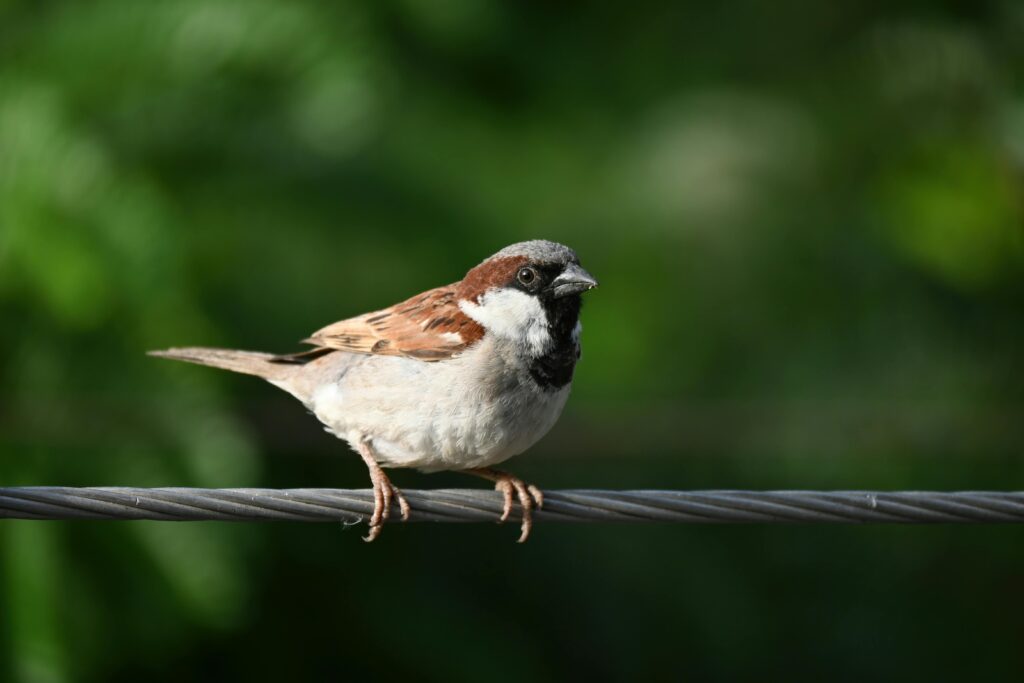

Small changes, big impact
Supporting biodiversity doesn’t require a total garden makeover. These small, simple tweaks help local wildlife survive the winter and thrive come spring.
This autumn, instead of “tidying up,” think of your garden as part of a larger ecosystem. By working with nature, you’re not just nurturing your own space – you’re helping sustain the web of life around you.
Need a helping hand getting your garden cleared? The team at Rosewood can help you get your garden back to basics, whilst leaving pockets free for wildlife to forage. Get in touch with our team to get booked in!