

Winter is a challenging time for garden birds. As temperatures drop and natural food sources become scarce, many species rely on the help of homeowners to make it through the coldest months. Feeding garden birds isn’t just a kind gesture – it’s an important way to support local wildlife during a period when survival becomes especially tough. And there’s something wonderfully festive about seeing robins, blue tits, finches, and blackbirds bringing your garden to life at Christmas!
In this guide, we’ll explain why winter feeding matters, what foods to offer, and how to keep visiting birds safe and healthy throughout the season.
Why Winter Feeding Matters
During winter, insects are limited, berries become picked over, and the shorter daylight hours make it harder for birds to find the energy they need to stay warm. Small garden birds, in particular, burn a huge amount of energy just to survive freezing nights. Providing food in your garden helps them conserve energy and increases their chances of getting through the harshest weather.
Not only does feeding support bird survival, but it also brings a sense of calm and connection to your outdoor space. During the festive season, when everything feels busier, taking a moment to watch birds fluttering around a feeder can be the little bit of relaxation we all need!

The Best Foods to Offer Birds in Winter
High-energy foods are essential during cold weather. Fat, protein, and oils help birds maintain body heat, so the right food can make a meaningful difference.
Fat balls are one of the most popular choices in winter because they provide a concentrated source of energy. Avoid those wrapped in plastic mesh, as birds can get caught in them; instead, place them in a proper feeder. Suet blocks are an excellent alternative and often attract woodpeckers and starlings as well as tits.
Seeds are another winter staple. Sunflower seeds – particularly black sunflower seeds, are packed with oil and appeal to a wide variety of species.
For ground-feeding birds like robins and blackbirds, mealworms (dried or live) are a treat packed with protein. They mimic natural insect sources that disappear in winter. Fruit such as chopped apples or berries is also appreciated, especially when frost affects wild supplies.
Even household leftovers can help, provided they’re offered safely. Small amounts of cooked rice, pastry trimmings, oats or unsalted cooked potatoes can be scattered on the ground. Avoid anything salty, sugary or seasoned, and never give birds bread as it offers little nutrition and can cause health issues.
Water Matters Just as Much as Food
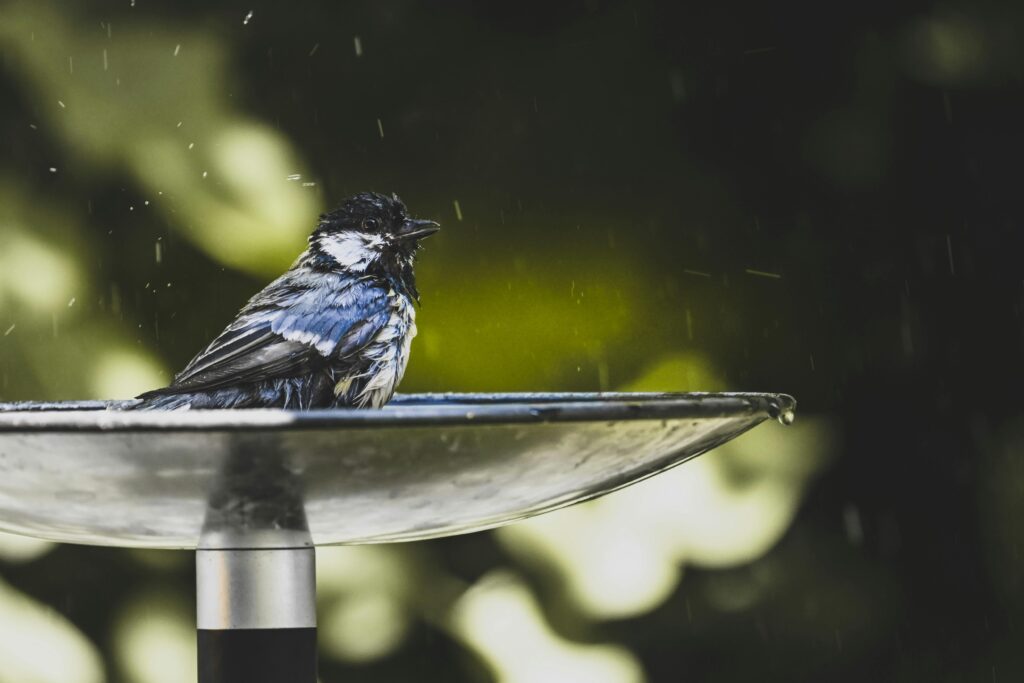
It’s easy to focus on feeding, but birds need water for drinking and bathing all year round. During winter, natural water sources often freeze, making access difficult.
A shallow dish of clean water is invaluable. To stop it freezing, you can float a small ball on the surface or place the dish in a sheltered area. Refresh the water daily, breaking any ice that forms. Bathing may seem like a luxury in winter, but clean feathers are essential for insulation.
Create a bird-friendly winter garden
Beyond food and water, your garden can become a valuable haven for birds. Leaving spent seedheads on plants like teasels, sunflowers and ornamental grasses provides natural feeding opportunities. Dense shrubs, evergreen hedges and piles of logs or branches offer shelter from wind, rain and predators.
If you want to go a step further, installing nesting boxes in winter gives birds a dry, safe place to roost overnight – something that can make a real difference during periods of frost and snow.