
January may feel like a quiet month in the garden, but what you do now can make a huge difference to how your outdoor space looks and performs for the rest of the year. While growth is slower, winter is the perfect time to assess, protect, and prepare your garden for the busy seasons ahead.
Use this January garden maintenance checklist to give your garden the best possible start to the year!
Inspect Your Garden After Winter Weather
Start with a thorough walk around your garden. Winter storms, frost, and heavy rain can cause damage that isn’t always obvious at first glance. Check for:
- Broken or damaged branches
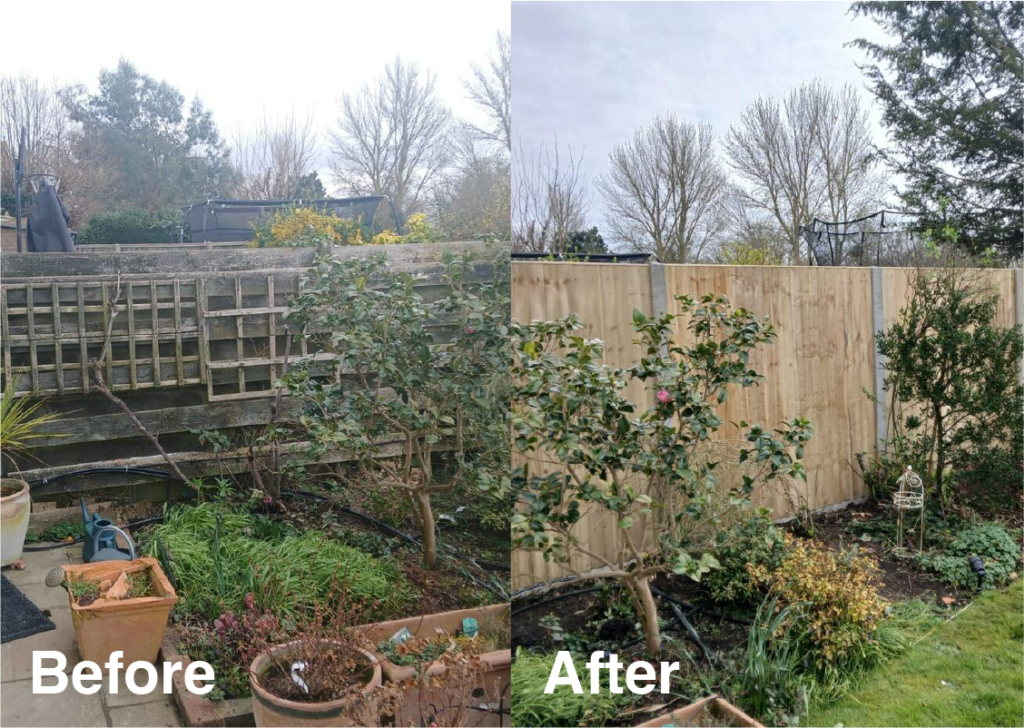
- Loose fencing, trellises, or garden structures
- Waterlogged areas or poor drainage
- Plants lifted by frost
Catching these issues early helps prevent further damage and costly repairs later in the year.
Prune Where Appropriate
January is an ideal time to prune many trees and shrubs while they are dormant. Proper pruning encourages healthy growth and better flowering in spring. In general, January is suitable for:
- Removing dead, diseased, or crossing branches
- Pruning certain deciduous trees and shrubs
- Cutting back roses (depending on variety and climate)
Common deciduous trees suitable for winter pruning include:
- Apple and pear trees, which benefit from structural pruning to improve fruit production
- Crab apple trees, to remove dead or crossing branches
- Beech and hornbeam, often pruned to maintain shape and size
You can also prune certain shrubs such as dogwood, willow, and buddleja, which respond well to hard winter pruning.
Always avoid pruning spring-flowering shrubs and sap-bleeding trees such as birch or maple at this time, as this can cause stress and reduce flowering.
Look After Your Lawn
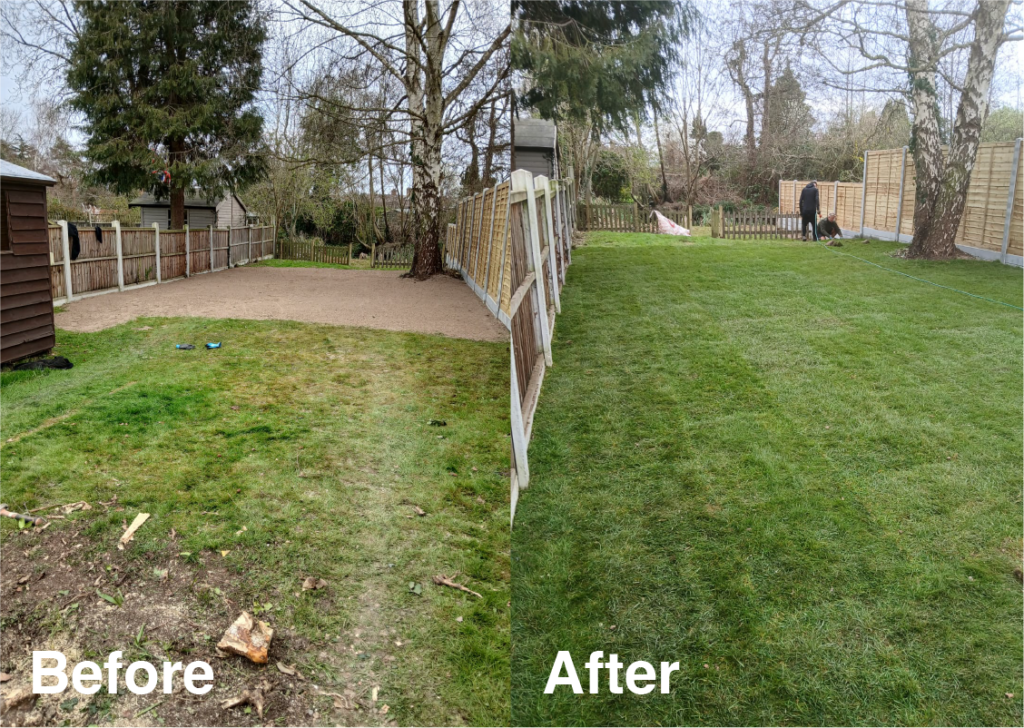
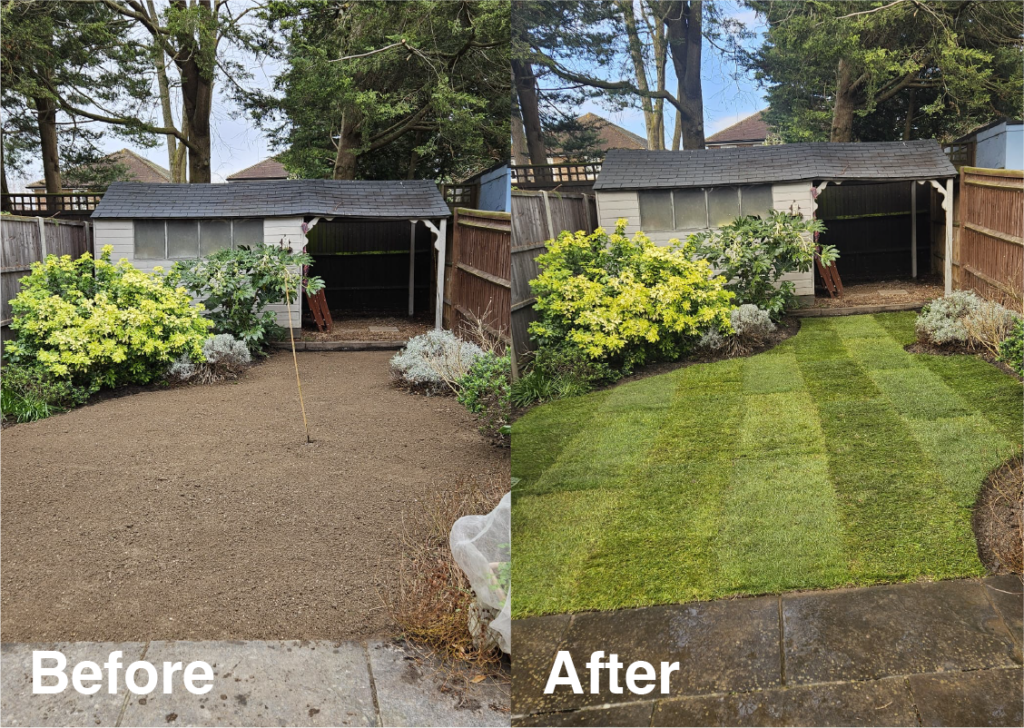
Although lawn growth is minimal during winter, your lawn still needs attention. Avoid walking on grass when it is frozen or waterlogged, as this can cause lasting damage to the turf. Keeping the surface clear of leaves and debris helps prevent moss and fungal issues, while maintaining neat edges gives the garden a cared-for appearance even in the quieter months. Good winter lawn care lays the groundwork for stronger growth in spring.
Protect Plants From Frost
Protecting plants from frost is a key consideration in January, particularly during sudden cold snaps. Tender plants and new plantings are especially vulnerable at this time of year. Using horticultural fleece during particularly cold periods, mulching around the base of plants to insulate roots, and moving pots to sheltered locations can all help minimise frost damage. These simple preventative steps can make a significant difference once warmer weather returns.
Improve Soil Health
January is an ideal time to focus on soil health. Adding organic matter such as compost or well-rotted manure improves soil structure, increases nutrient levels, and supports beneficial organisms. Mulching beds helps protect soil from erosion, suppress weeds, and retain moisture. It’s important to avoid digging when the ground is frozen or very wet, as this can damage soil structure and reduce its long-term quality.
Plan For The Year Ahead
Finally, January is the ideal time to plan for the year ahead. Whether you are considering new planting schemes, lawn improvements, or a complete garden redesign, early planning helps ensure work is carried out at the right time. It also allows costs to be spread more evenly and avoids rushed decisions once the growing season is underway.
Start The Year Strong With The Help of Professional Garden Maintenance
While some winter garden tasks can be handled independently, professional january garden maintenance can provide expert insight and thorough care during the colder months! If you’d like support starting the year the right way, the Rosewood team is here to help keep your garden healthy, tidy, and ready for the seasons ahead.