
As summer finally arrives and gardens burst into full growth, many homeowners start reaching for the secateurs. While June is an excellent month for pruning certain plants, cutting back the wrong shrubs or flowers at the wrong time can affect blooms, reduce growth, and even damage the plant.
In this guide, we’ll explain what you should prune in June, what should be left alone, and how proper pruning helps keep your garden healthy, tidy, and looking its best throughout the summer.
Why Pruning Matters
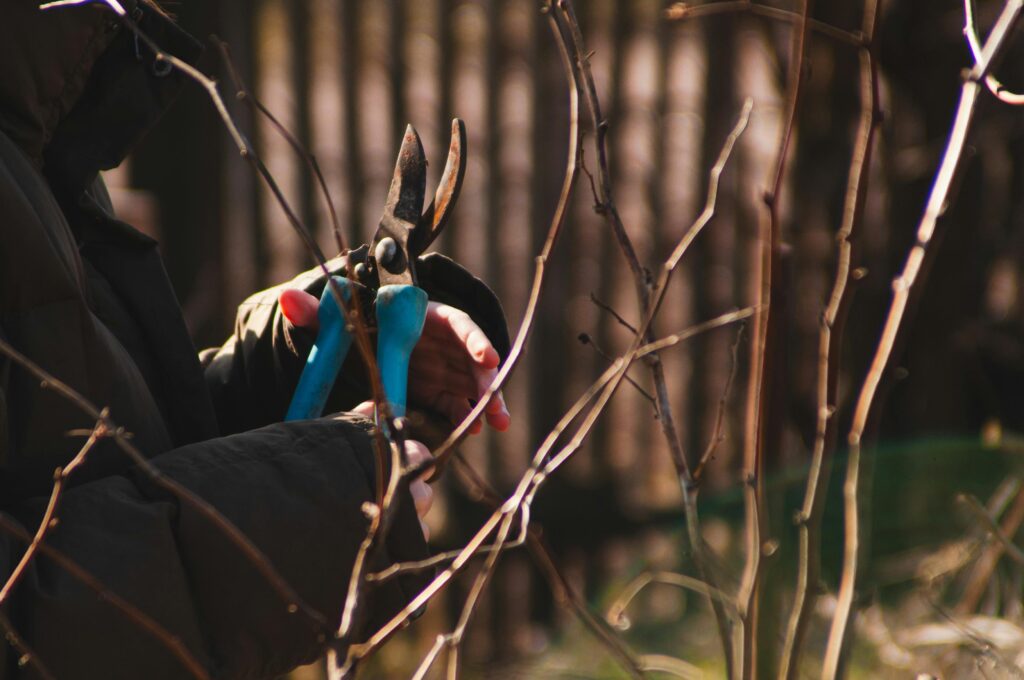
Pruning isn’t just about keeping your garden neat. Done correctly, it can:
- Encourage healthy new growth
- Improve flowering and fruit production
- Prevent disease by increasing airflow
- Maintain the shape and size of plants
- Remove damaged or dead growth
- Improve the overall appearance of your garden
June is a key month because many spring-flowering plants have finished blooming and are ready for a trim.

Plants You Should Prune in June
Spring-Flowering Shrubs
Shrubs that flowered earlier in the year can usually be pruned once their blooms have faded. Some examples include Forsythia, Weigela and Japanese Quince.
Pruning after flowering gives these shrubs plenty of time to develop new growth and flower buds for next year.
Wisteria
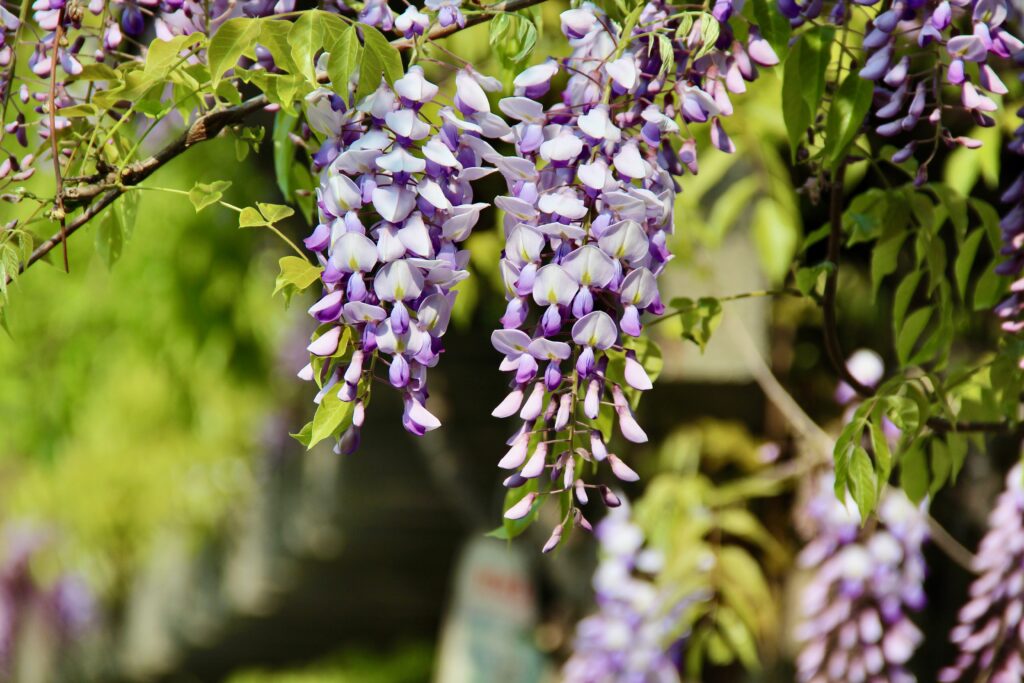
June is the ideal time for the first summer prune of wisteria, helping to keep this vigorous climber under control while encouraging better flowering next year.
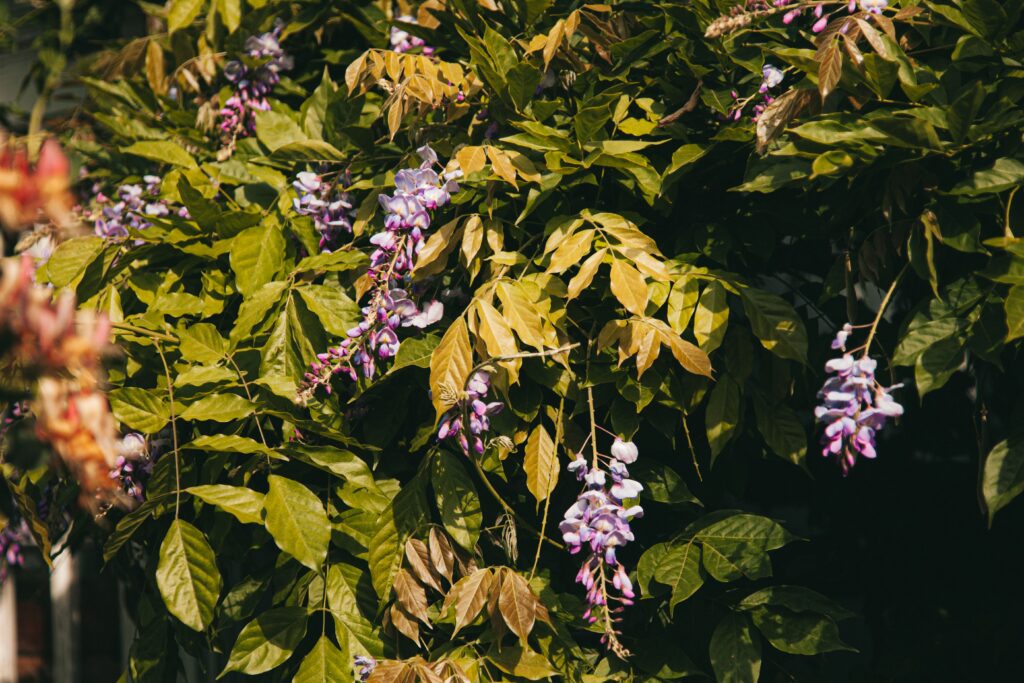
During late spring and early summer, wisteria produces long, fast-growing shoots that can quickly become tangled and untidy if left unchecked. These shoots often grow several feet in just a few weeks and can divert energy away from flower production.
To prune wisteria in June:
- Identify the long, whippy green shoots that have grown since flowering finished.
- Cut these side shoots back to around 20–30cm (8–12 inches) from the main framework, leaving approximately five or six leaves on each shoot.
- Remove any dead, damaged, or crossing stems.
- Tie in any shoots you want to keep as part of the plant’s permanent structure.
This summer pruning helps improve air circulation, allows more sunlight to reach the plant, and directs energy into developing flower buds rather than excessive leafy growth.
A second prune is usually carried out in winter, when these same shoots are cut back further to just two or three buds. Together, the summer and winter pruning routine helps maintain a neat shape and encourages the spectacular displays of fragrant flowers that wisteria is famous for.
If your wisteria flowers poorly, regular pruning is often one of the most effective ways to improve blooming performance in future seasons.
Early Flowering Perennials
Many perennials benefit from deadheading or light trimming after flowering. Examples include:
- Lupins
- Delphiniums
- Geraniums
- Catmint (Nepeta)
Removing spent flowers often encourages a second flush of blooms later in the summer.
Evergreen Hedges
June is an excellent month for giving evergreen hedges their first major trim of the year. Suitable hedges include Privet, Laurel, Box and Yew.
Regular trimming helps maintain a dense, attractive shape and prevents hedges from becoming difficult to manage later in the season.
Plants You Should Avoid Pruning in June
Spring Bulb Foliage
It can be tempting to tidy up daffodil and tulip leaves once the flowers have disappeared. However, the foliage should be left until it naturally yellows and dies back. The leaves continue feeding the bulb and help produce next year’s flowers.
Bird Nesting Areas
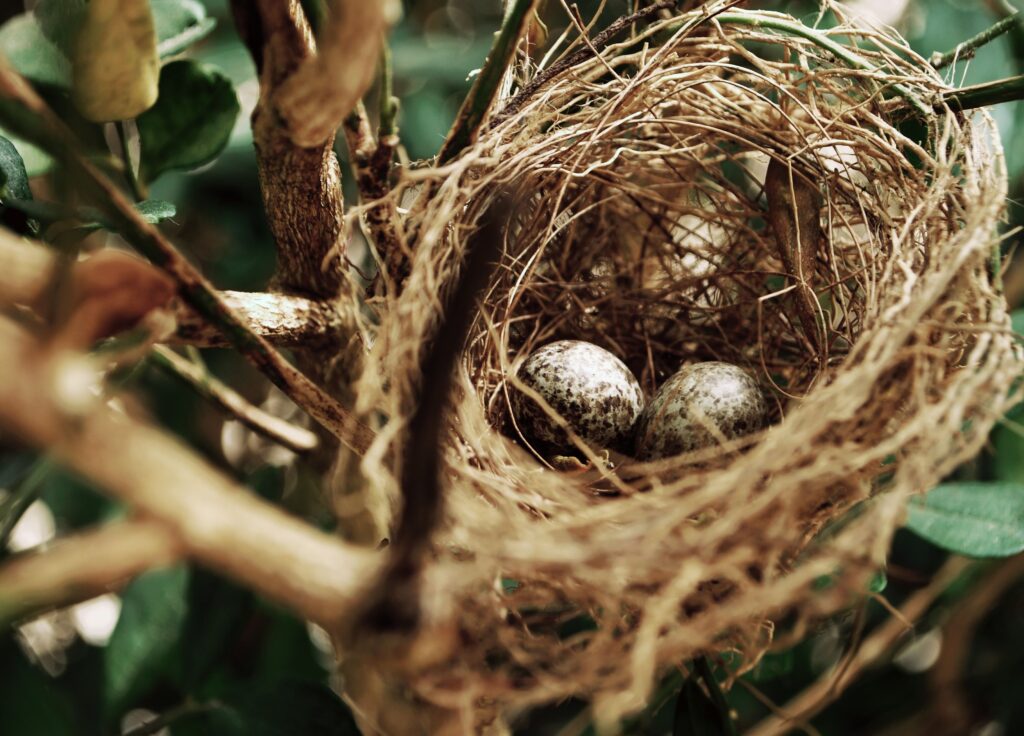
Before trimming hedges, shrubs, or dense climbers, always check for nesting birds. In the UK, birds commonly nest between March and August. Disturbing active nests can harm wildlife and may be against wildlife protection laws.
Hydrangeas
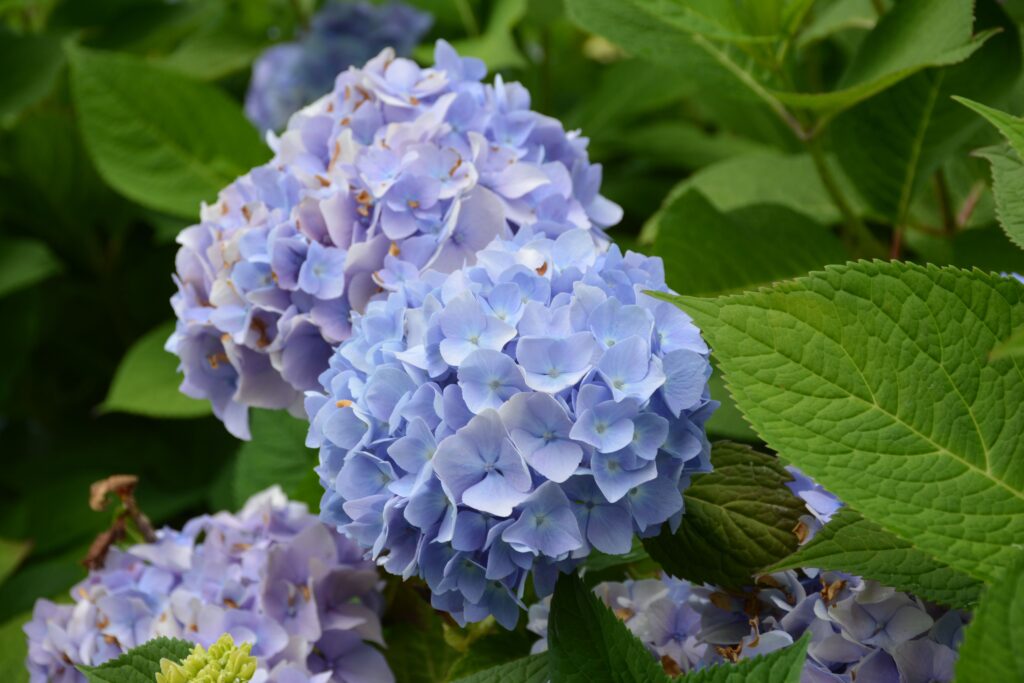
Most hydrangeas should not be heavily pruned in June. Many varieties produce flowers on old wood, meaning cutting them back now could remove this year’s blooms.
When to Call a Professional
While light pruning and deadheading are manageable for most homeowners, larger shrubs, mature hedges, climbing plants, and specialist pruning often require experience and the right equipment.
Professional garden maintenance ensures plants are pruned correctly, safely, and at the right time of year, helping your garden stay healthy and attractive throughout every season.
Final Thoughts
June is one of the most important months for garden maintenance. By knowing what to prune and what to leave alone, you can encourage stronger growth, better flowering, and a healthier garden overall.
If you’re unsure about which plants need attention this month, our experienced garden maintenance team can help keep your garden looking its best all summer long. Get in touch with us to find out how we can help.