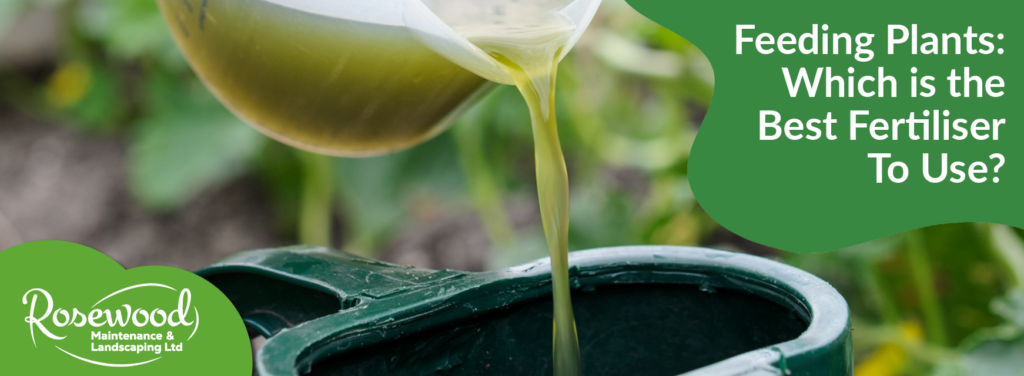
It’s easy to forget that plants can’t survive on water alone. As a result, many garden plants have weak growth, poor colour and a lack of flowers. Yet kept well supplied with the three main nutrients that are present in a general fertiliser or plant food- nitrogen (N), phosphorus (P) and potassium (K) – they’re given every chance not only to flourish, but also to better withstand attacks by pests and diseases.
What are fertilisers?
Fertilisers contain concentrated sources of plant nutrients in chemical or organic form.
To grow well, plants need a wide range of nutrients in various amounts, depending on the individual plant and its stage of growth. The three key plant nutrients usually derived from soil are nitrogen, phosphorus and potassium, while carbon, oxygen and hydrogen are absorbed from the air. Other vital soil nutrients include magnesium, calcium and sulphur. Gardeners can add nutrients by applying fertilisers (either artificial or naturally derived) to boost plant growth and improve flowering and fruiting.
Most fertilisers are based on the three major plant nutrients:
Nitrogen (N): For green leafy growth
Phosphorus (P): For healthy root and shoot growth
Potassium (K): For flowering, fruiting and general hardiness

Choosing the right fertiliser
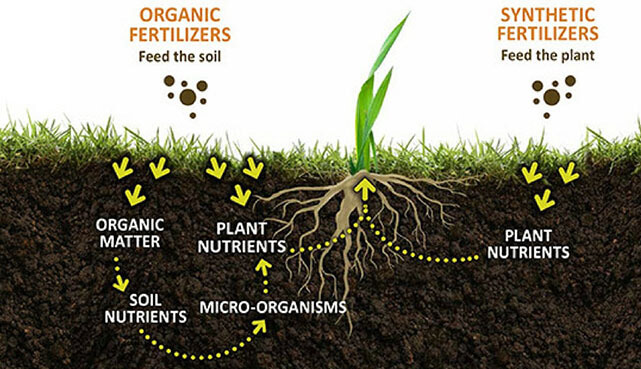
There are two main types of fertilisers: inorganic (man-made) and organic (derived from plant or animal).
Inorganic fertilisers are synthetic, man-made forms of plant nutrients. This type is usually more concentrated and faster-acting than the organic type.
Organic: These are derived from plant or animal sources and contain plant nutrients in organic form. Organic products tend to be slower-acting, as large organic molecules have to be broken down by soil organisms before the nutrients within them are released for plant use. Examples of organic fertilisers include: seaweed, hoof & horn, dried blood, fish blood & bone, bone meal and poultry manure pellets.
When to use fertiliser
Plants slip into a semi-dormant or completely dormant state in winter, so it’s a waste to offer them any kind of food during this period. They’re most in need of nutrition just as growth is about to start, so it’s a good idea to give plants a good dose of fertiliser in March, so it can be readily absorbed by the time the strong growth spurt begins in April or May. Then again in June or July to see them through summer.
Don’t feed plants in cold, frosty weather, or in hot, dry summers. The compost or soil must always be moist at the time of feeding, whether with a liquid or solid fertiliser. A mulch laid over the soil after the fertiliser has been applied will seal in moisture and help to keep the fertiliser working.

How often should I feed my plants?
Potting and seed composts already contain fertiliser, but will run out after six weeks, so you need to provide additional fertiliser. Pot on perennial plants that spend all their lives in a container into new compost in spring, either every year or when they grow too big.
Lawns are generally fed in spring with a high-nitrogen fertiliser and in autumn with a more balanced dressing that won’t encourage frost-tender top growth, but will promote root growth. These products always give clear instructions on their time of use on the packet.
Need a helping hand?
Whether you need some advice on which fertiliser is best for your plants, or you need a helping hand keeping your garden looking its best, Rosewood can help. From a one-off maintenance job, to a complete garden renovation and everything in between, we offer a comprehensive range of services guaranteed to help your garden look its best. Want to get started? Get in touch with our team today!