

Every summer, the UK’s skies, meadows, and gardens burst into colour as butterflies take flight, and there’s no better time to appreciate these beautiful creatures than during the Big Butterfly Count. But this isn’t just a beautiful sight, it’s citizen science in action. Following the results of the Big Butterfly Count 2024, Butterfly Conservation have declared a butterfly emergency, and they need our help more than ever before.
What is the Big Butterfly Count?
The Big Butterfly Count is a nationwide survey launched by Butterfly Conservation that invites the public to record sightings of butterflies and moths for 15 minutes during the summer. This year it runs from July 18th to August 10th. This data helps scientists monitor butterfly populations and gauge the health of our environment, since butterflies are vital pollinators and sensitive indicators of biodiversity.
Anyone can take part, whether you’re in a park, a garden, on a walk, or even looking out a window. All you need is 15 minutes, a spot in nature, and the free Big Butterfly Count app.


Why Pollinators Matter
Pollinators, like butterflies, bees, moths, and hoverflies, play a crucial role in ecosystems. They pollinate about 75% of our crops and wild flowering plants, making them essential not only for our food supply but also for maintaining natural habitats.
Yet, pollinator numbers are declining due to habitat loss, pesticides, climate change, and pollution. That’s where we come in.
How to Help Pollinators Thrive
Here’s how you can support pollinators… Not just during the Big Butterfly Count, but all year round!
1. Plant a Pollinator-Friendly Garden
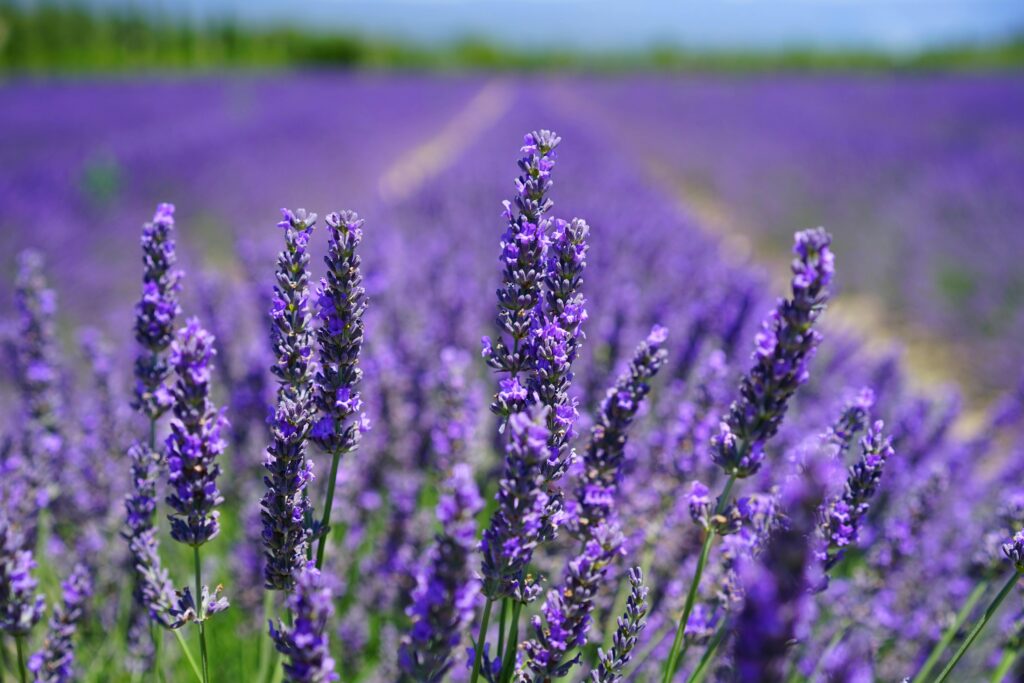
- Choose nectar-rich flowers like buddleia (butterfly bush), lavender, marjoram, and verbena.
- Grow plants that bloom from spring to autumn for continuous food.
- Include night-scented flowers to support moths.

2. Go Wild
- Let part of your garden grow wild. Long grass, nettles, and brambles are vital for caterpillars.
- Create a mini meadow with wildflower seeds or plug plants.
3. Ditch the Pesticides
- Avoid using chemical pesticides or herbicides.
- Opt for natural pest deterrents and companion planting instead.
4. Provide Water
- A shallow dish with pebbles and water offers a safe drink for butterflies and bees.
5. Leave the Leaves
- Don’t tidy up too much! Leaf piles, logs, and hollow stems are great overwintering spots for insects.
6. Create a Butterfly Feeder
- Mix sugar water (1 part sugar to 10 parts water) and soak a sponge or banana peel. Hang it in a shady spot.
7. Take the Big Butterfly Count
- Download the Big Butterfly Count app, head outside, and start counting!
- Submit your sightings. It only takes 15 minutes, and your data helps conservation efforts nationwide.
Final Thoughts
Whether you have a sprawling garden, a balcony, or just a windowsill, every small action adds up. The Big Butterfly Count isn’t just a chance to admire nature, it’s a way to protect it. By creating safe spaces for pollinators, reducing chemical use, and getting involved in citizen science, we’re helping to safeguard the future of our planet’s ecosystems. Let’s get counting!