

Every year, National Insect Week shines a spotlight on the incredible insects that help keep our gardens, countryside and ecosystems thriving. Organised by the Royal Entomological Society, Insect Week encourages people of all ages to discover, observe and protect the insects that play such a vital role in our environment. This year’s event runs from 22–28 June and celebrates the theme of standing up for the small creatures that keep the natural world functioning.
For gardeners, insects are far more than just occasional visitors. They are pollinators, natural pest controllers, recyclers and an essential part of a healthy outdoor space. At Rosewood, we believe that great garden maintenance isn’t just about keeping gardens looking beautiful – it’s also about creating environments where wildlife can thrive!
Why Insects Matter in Your Garden
Many of the plants, flowers, fruits and vegetables we enjoy rely on insects for pollination. In fact, one in three mouthfuls of food depends on insect pollination, highlighting just how important these tiny creatures are to our daily lives.
Beyond pollination, insects perform a range of essential tasks:
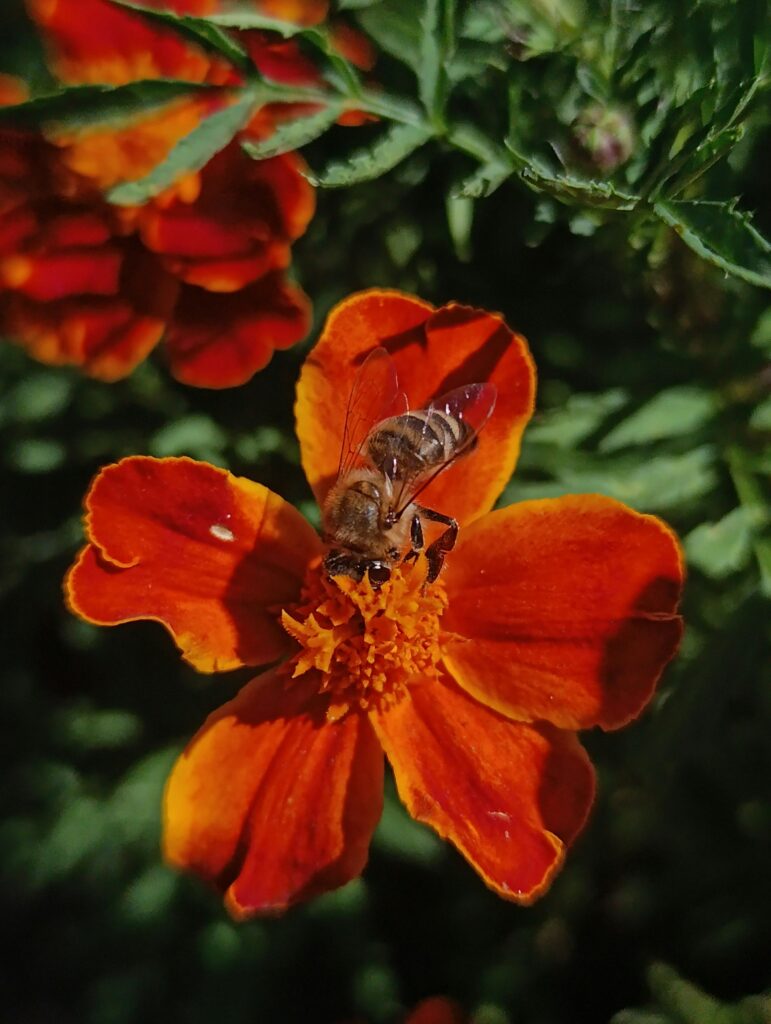
- Bees, hoverflies and butterflies help plants reproduce.
- Ladybirds and lacewings naturally control aphids and other garden pests.
- Beetles and other decomposers break down organic matter, enriching the soil.
- Insects provide a crucial food source for birds, hedgehogs and other wildlife.
A healthy insect population is often one of the best indicators of a healthy garden.


Simple Ways to Make Your Garden More Insect-Friendly
The good news is that supporting insects doesn’t mean sacrificing a tidy, attractive garden. Small changes can make a significant difference.
Plant for Pollinators
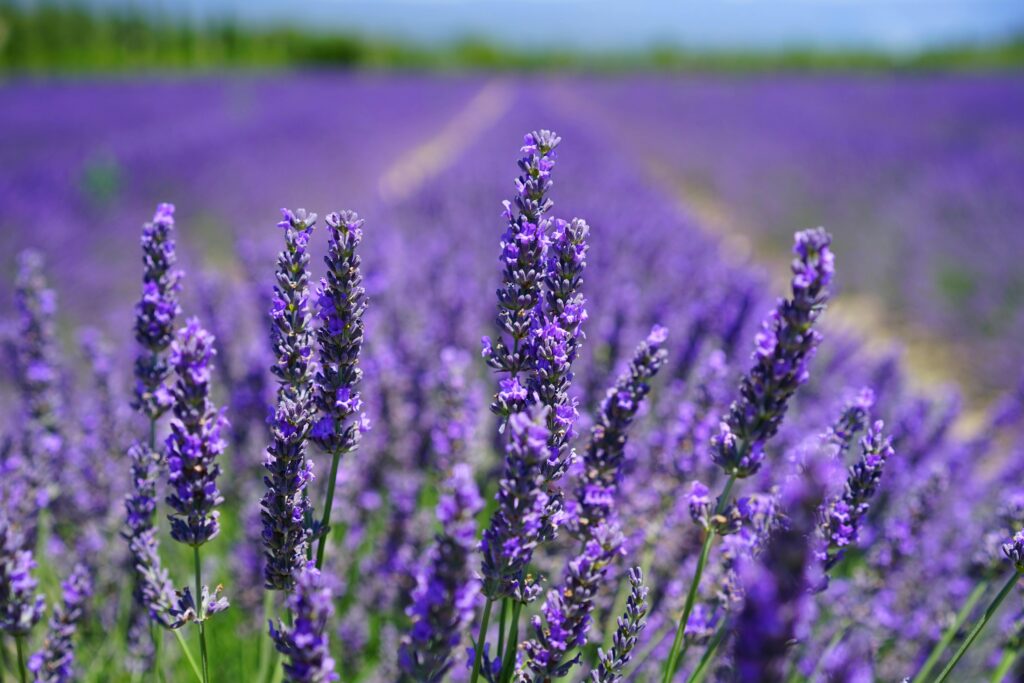
Choose a variety of flowering plants that bloom throughout the seasons. Lavender, foxgloves, salvia, verbena and native wildflowers are all excellent choices for attracting bees and butterflies.

Leave Some Areas Wild
While neatly maintained lawns and borders have their place, leaving a small section of the garden to grow naturally can provide valuable habitat for insects. Longer grass, wildflowers and undisturbed corners create shelter and breeding grounds.
Reduce Chemical Use
Pesticides can unintentionally harm beneficial insects as well as pests. Where possible, opt for natural pest management methods and encourage predators such as ladybirds to help keep garden pests under control.
Provide Water Sources
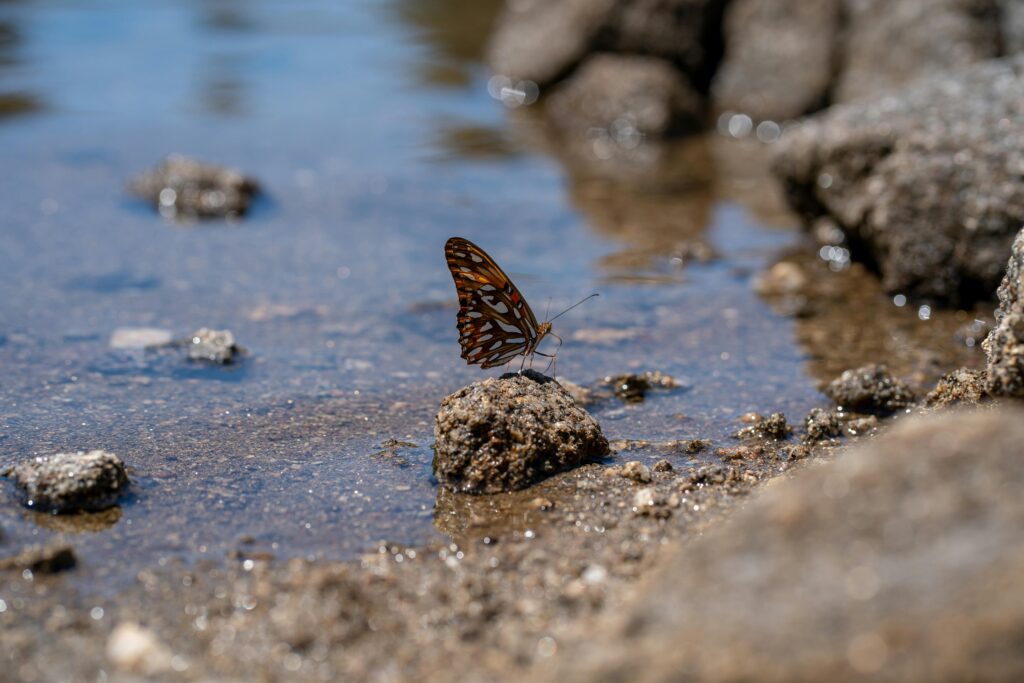
A shallow dish of water with stones for insects to land on can provide a safe drinking spot during warmer weather.
Create Homes for Insects
Log piles, leaf litter, compost heaps and insect hotels can all offer valuable shelter for a wide range of species throughout the year.
The Role of Professional Garden Maintenance
Regular garden maintenance plays an important role in balancing aesthetics with biodiversity. Thoughtful pruning, seasonal planting, lawn care and habitat management can all help support insect populations while keeping gardens healthy and attractive.
A well-maintained garden doesn’t have to be sterile or overly manicured. In fact, the most vibrant gardens often combine structured planting with wildlife-friendly features that encourage beneficial insects to visit and stay.
Celebrate National Insect Week
National Insect Week is the perfect opportunity to spend some time observing the fascinating creatures living in your garden. From busy bumblebees to colourful butterflies and hardworking beetles, every insect has a role to play.
By making a few simple changes and embracing wildlife-friendly gardening practices, we can all help support insect populations and create healthier, more resilient gardens for future generations.
If you’d like help creating a beautiful garden that supports both people and wildlife, our experienced garden maintenance team is always happy to help. Contact us today to discuss how we can keep your garden looking its best while encouraging nature to thrive.