
May is one of the most exciting months in the gardening calendar. The soil is warming, daylight stretches long into the evening, and gardens begin to hum with life. It’s also a crucial time to think beyond how it looks and focus on creating a space that actively supports wildlife. With a few thoughtful planting choices, your garden can become a haven for pollinators, birds, and beneficial insects throughout the growing season!
Why Wildlife-Friendly Gardening Matters
Modern gardens often lack the diversity and natural habitats that wildlife depends on. By planting with intention, you help provide essential food sources, shelter, and breeding grounds. Even a small garden can play a big role in supporting biodiversity, especially in urban or suburban areas.
May is the perfect time to establish plants that will sustain wildlife through summer and into autumn.
Pollinator Friendly Plants to Sow and Grow
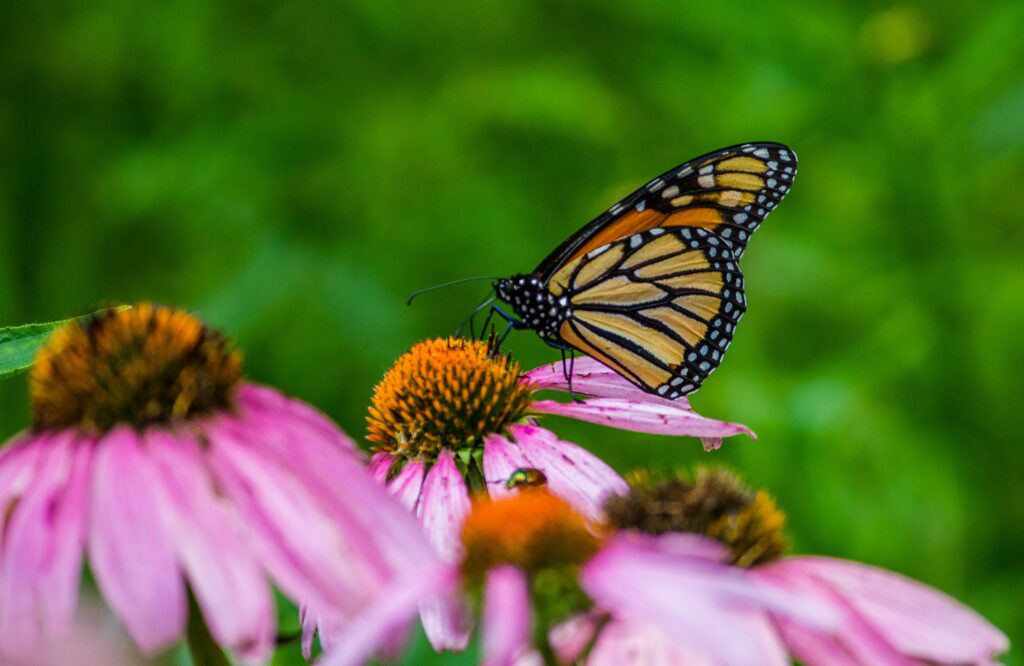
Pollinators like bees, butterflies, and hoverflies are particularly active now and need nectar-rich flowers. Choose a mix of shapes and colors to attract a wider variety of species.
Consider planting:
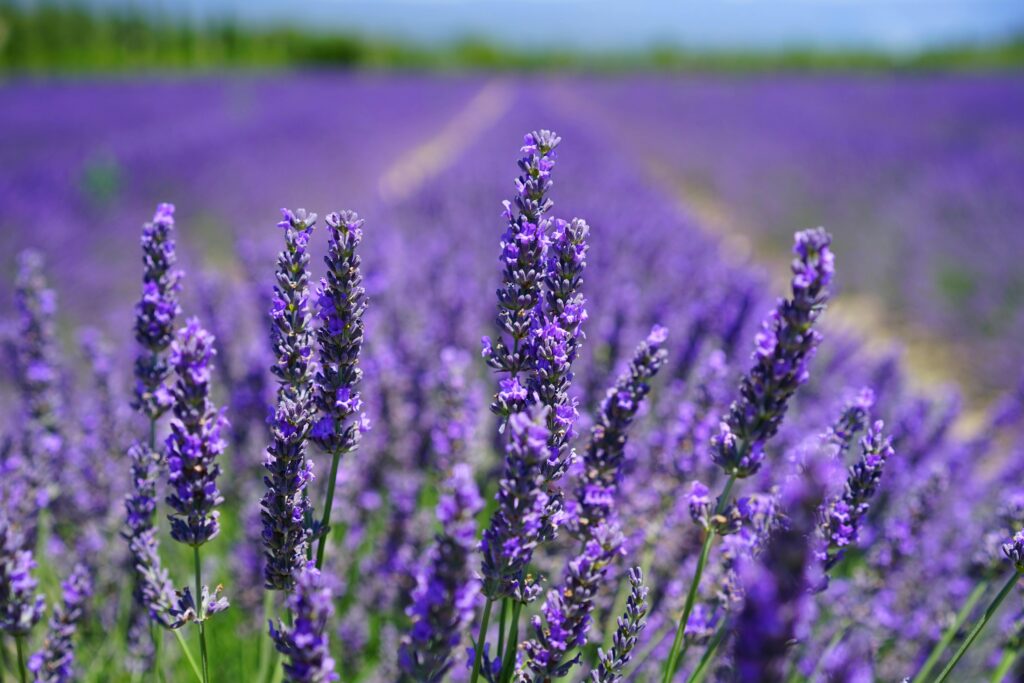
- Lavender – a magnet for bees with its fragrant, nectar-rich blooms
- Foxgloves – excellent for bumblebees and add vertical interest
- Cosmos – easy to grow from seed and loved by pollinators
- Cornflowers – bright, cheerful, and beneficial for insects
Try to plant in clusters rather than single specimens. This makes it easier for pollinators to locate food sources and feed efficiently.
Plants For Birds & Shelter
While flowers support insects, shrubs and denser planting provide shelter and food for birds. May is a great time to plant or plan for species that will later produce berries or nesting spots.
Good options include:
- Hawthorn – offers blossoms in spring and berries in autumn
- Dogwood – provides cover and seasonal interest
- Honeysuckle – attracts insects and offers nesting opportunities
If space allows, layering your planting – ground cover, mid-height plants, and taller shrubs – creates a more natural and wildlife-friendly structure.
Don’t forget Native Species
Native plants are especially valuable because local wildlife has evolved alongside them. They often provide better nutrition and are easier to maintain in your climate.
Incorporating native wildflowers or hedging plants can dramatically increase the ecological value of your garden with minimal extra effort.
Avoid Chemicals Where Possible
A wildlife-friendly garden is one where ecosystems can balance themselves. Pesticides and herbicides can harm not only pests but also beneficial insects and soil life.
Instead you can use companion planting to deter pests and encourage natural preditors like ladybirds. Sometimes, it’s best to accept a small amount of damage as part of a healthy ecosystem.
Create Water Sources
Wildlife needs water just as much as food. Adding a simple water feature – even a shallow dish with stones for insects to land on – can make a big difference.
If you have space, a small pond can become one of the most biodiverse features in your garden, attracting frogs, dragonflies, and birds.
Let it Grow a Little Wild
Resist the urge to keep everything perfectly trimmed. Leaving a corner of your garden slightly untamed provides shelter for insects and small animals.
Allow some plants to flower fully and go to seed – this not only supports wildlife but also adds natural beauty and movement to your space.
Final Thoughts
Wildlife-friendly planting in May is about working with nature rather than against it. By choosing the right plants and adopting a more relaxed approach to garden management, you can create a thriving ecosystem right outside your door.
The rewards go beyond helping wildlife – you’ll enjoy a garden that feels more alive, dynamic, and connected to the natural world.